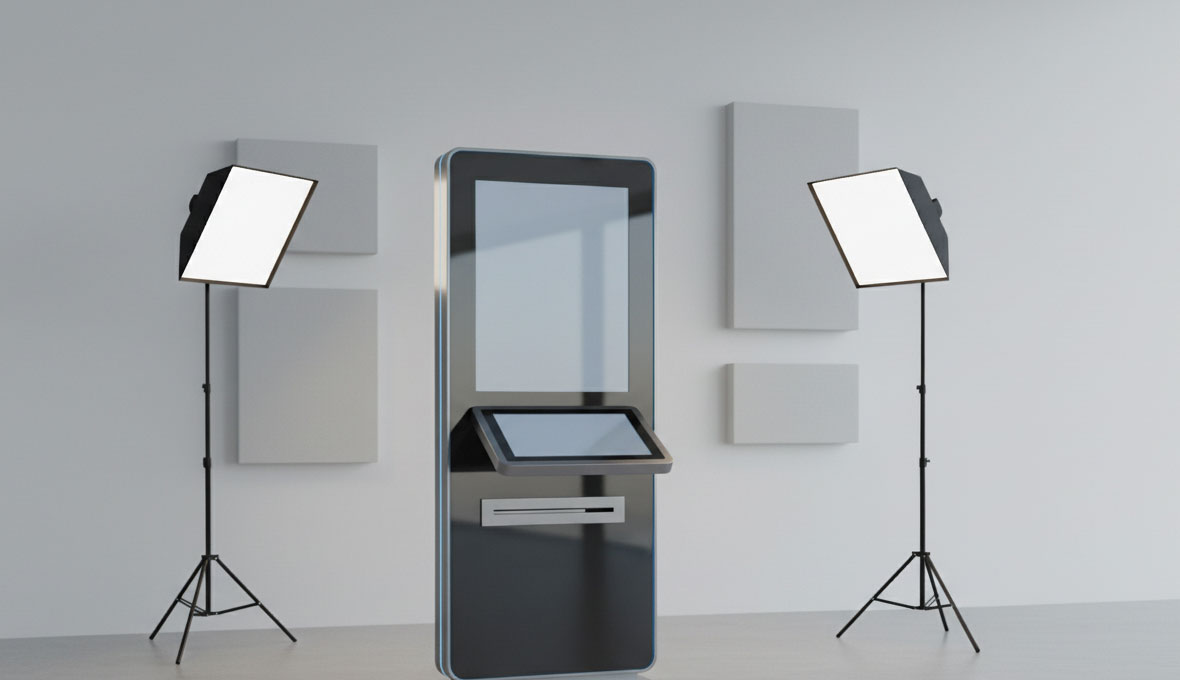
Interactive kiosks have become a defining feature of the modern built environment. Whether in airports, shopping malls, hospitals, or museums, these connected terminals bridge the gap between the digital and physical worlds. Behind their sleek interfaces and responsive touchscreens lies a complex ecosystem of components that must operate flawlessly — from sensors and displays to connectivity modules and printers.
Among these components, one element is often overlooked despite being essential to the user journey: the Kiosk printer. It’s a seemingly simple mechanism that, when designed and integrated thoughtfully, can determine whether an interaction feels effortless or frustrating.
Beyond Functionality: The Printer as a Design Element
In the early days of kiosk development, printing modules were treated as utilitarian accessories — necessary for issuing receipts, tickets, or labels, but rarely integrated with aesthetic consideration. Today, that mindset is changing. Hardware designers now see every component, including the printer, as part of the overall brand and user experience.
A kiosk’s form factor, materials, and color palette all contribute to user perception. The printer opening — whether front-fed or rear-exit — must align with ergonomic principles, ensuring accessibility for users of all ages and abilities. Clean edges, hidden screws, and minimalistic bezels are no longer just visual preferences; they’re a statement of reliability and precision.
Modern kiosk manufacturers are also exploring customizable housings, modular chassis, and tool-free maintenance designs. These innovations allow for quick servicing, reduced downtime, and greater creative freedom in how printers are embedded within the kiosk body. The result is a new generation of devices where engineering and aesthetics coexist seamlessly.
Why Printing Still Matters in a Digital World
It’s tempting to assume that digital receipts, QR codes, and mobile confirmations have made printed outputs obsolete. Yet, in many industries, a physical document remains the most efficient and trusted form of proof. Boarding passes, queue tickets, prescriptions, and parking receipts all serve as tangible confirmation of a transaction or authorization.
For designers and system integrators, this presents both a challenge and an opportunity. The challenge lies in creating devices that can handle frequent, high-speed printing without compromising form or durability. The opportunity comes from leveraging the tactile reassurance of paper — a sensory feedback that reinforces trust in digital processes.
Unlike digital-only interactions, printing involves motion, sound, and material — a subtle multisensory moment that enhances user confidence. When the paper emerges cleanly and quickly, the system feels responsive. When it jams or misprints, the entire experience collapses. That’s why the choice and integration of the printer are pivotal design decisions.
Thermal Printing: Silent Power Inside Every Kiosk
Most kiosks rely on thermal printing technology. It’s fast, clean, and requires no ink or toner, making it ideal for unattended environments. The absence of moving ink components means fewer maintenance cycles and a longer lifespan. Designers can position thermal printers in compact spaces, with just a front slot or roll compartment accessible for paper replacement.
Thermal printers also support variable print widths and graphic-rich outputs, including logos, barcodes, and QR codes. This versatility allows brands to communicate visually even through a simple printed slip. The result is an experience that blends physical immediacy with digital intelligence.
Engineering Reliability into Design
The reliability of a kiosk printer affects not only the user but also the operator’s bottom line. A jammed or failed printer can halt transactions, frustrate users, and require costly intervention. That’s why industrial design and mechanical engineering must collaborate from the first prototype.
Key factors include:
- Paper management: ensuring smooth feeding and consistent cutting mechanisms.
- Thermal head cooling: designing airflow to prevent overheating in enclosed spaces.
- Access panels: enabling quick roll replacement without tools.
- Mounting flexibility: allowing horizontal or vertical installation to adapt to the kiosk layout.
Design teams must also consider acoustic behavior. A noisy printer can disrupt the atmosphere of a museum or hotel lobby. Modern models are optimized for silent operation, turning what used to be a functional noise into an invisible process.
Integrating the Printer into the User Journey
A successful kiosk doesn’t simply print; it communicates. Designers now map out the user journey from the first touch to the final printout, ensuring that the printed document reinforces the message on-screen. The printer slot might illuminate to indicate readiness, or the interface might display a visual cue synchronized with the print completion.
Such micro-interactions make the experience more human, even without human staff. They also contribute to accessibility, signaling completion to users who may have visual or auditory impairments.
Materials and Sustainability
Sustainability is another growing factor in kiosk design. The choice of materials, energy efficiency, and component longevity all influence environmental impact. Thermal printers already eliminate consumables like ink cartridges, but designers are going further — optimizing power usage and promoting recyclable paper types.
Some manufacturers offer eco-mode printing that reduces paper length by adjusting margins and fonts. Others are exploring biodegradable coatings and compostable ticket stock. In this context, the printer becomes part of a broader sustainability narrative, aligning with the environmental goals of public spaces and smart cities.
Modularity and the Era of Customization
The demand for flexibility is driving a shift toward modular kiosk architectures. Instead of fixed configurations, designers can now assemble systems from standardized modules — displays, payment units, scanners, and printers — each optimized for easy integration and maintenance.
This modularity shortens development cycles and allows for future upgrades. A kiosk deployed for ticketing today might be repurposed for loyalty programs tomorrow, with only the software and printer roll width adjusted. A well-designed kiosk printer supports this adaptability through standardized interfaces and firmware compatibility.
For integrators, this modular approach simplifies production and logistics. For end-users, it ensures a consistent, reliable experience — whether they’re printing a receipt in a retail store or a boarding pass in an airport terminal.
The Designer’s Perspective: Blending Form and Function
Designing for public interaction requires empathy. Every element, from the height of the touchscreen to the position of the printer slot, influences usability. Industrial designers must account for accessibility standards (such as ADA compliance), lighting conditions, and even the emotional state of the user. The printer, though mechanical, is part of this emotional landscape.
When users see their document emerge smoothly, they experience closure — a psychological cue that the process is complete and successful. This is why high-quality printing mechanisms are as important to user satisfaction as interface design or screen responsiveness.
Looking Ahead: Smart Printing and Predictive Maintenance
The future of kiosk printers will be defined by intelligence and connectivity. With the rise of IoT integration, printers can now report status, predict paper exhaustion, and request maintenance before failure occurs. This data-driven approach ensures uptime and reduces operational costs.
Machine learning models may soon analyze usage patterns across thousands of kiosks, optimizing performance remotely. Combined with eco-friendly materials and modular design, this next generation of printers will support a more sustainable and efficient self-service ecosystem.
Conclusion
In the design of interactive kiosks, every detail matters. The Kiosk printer may be a small component, but its influence on usability, reliability, and perception is enormous. It bridges design and function, digital and physical, aesthetic and operational goals. As designers and engineers continue to refine the art of interaction, the printer will remain a silent ambassador of trust — proof that technology, when designed well, can truly serve both business and humanity.