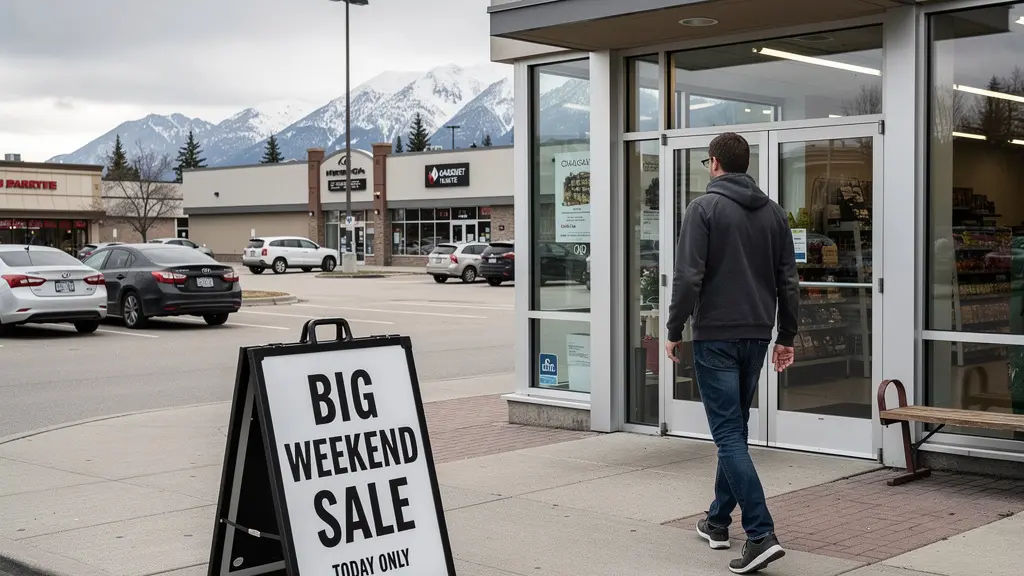
You’ve spent thousands on Instagram ads. Maybe dabbled in Google. Yet your strip mall neighbours—the ones with that cheap-looking banner out front—seem busier than you. Frustrating, right?
I’ve walked through dozens of Calgary parking lots with business owners, and the pattern is always the same. They’re convinced signage is “old school.” Then I show them what’s actually happening with their foot traffic. Most people driving past their location have no idea they exist.
What drives foot traffic in 60 seconds:
- Digital signage increases foot traffic by 24% and can boost sales up to 33%
- Over 75% of consumers have visited a store specifically because of its sign
- Calgary bylaws are strict—signs must be on your private property, not city land
- Temporary signs let you test what works before committing to permanent installation
- Expect 4-8 weeks before you can measure real results
The Science Behind Why Signage Still Works in 2025
80%
of customers have entered a store because a sign caught their interest
That number stopped me cold when I first saw it. According to SeenLabs research from December 2025, eight out of ten customers who walk through your door were influenced by what they saw outside. Not your website. Not your social media. Your physical sign.
The psychology is simple. Humans are visual creatures navigating a cluttered environment. Your brain filters most stimuli, but contrast and movement break through. A well-placed sign creates what researchers call an “attention interrupt”—a brief moment where the brain pauses its filtering and actually processes what it sees.
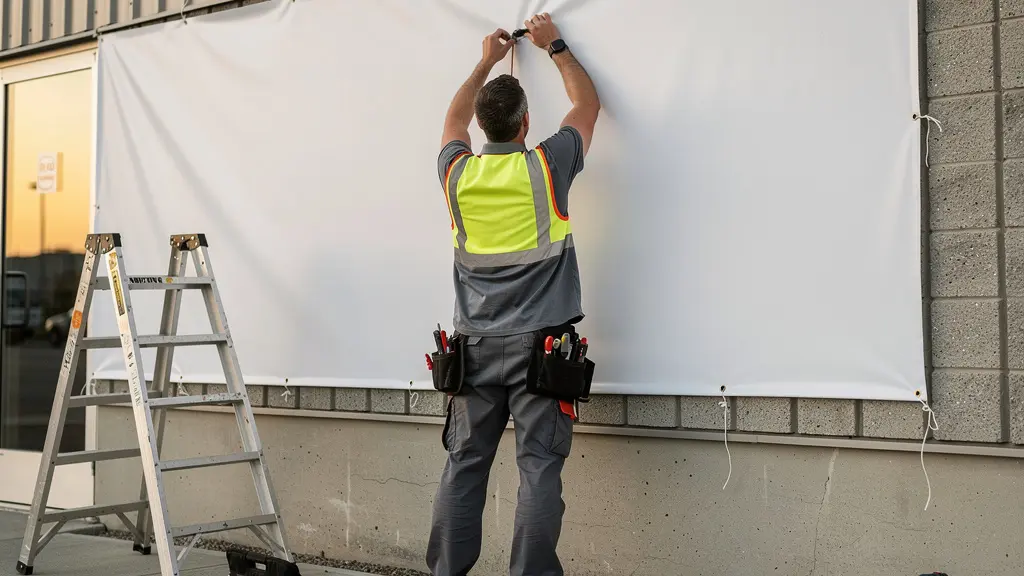
Here’s what the data actually shows. The 2025 digital signage statistics report from PosterBooking found that signage increases foot traffic by 24% and can drive sales growth up to 33% in retail settings. Those aren’t marginal gains. That’s the difference between surviving and thriving.
My take? These numbers match what I see on the ground with Calgary businesses. The owners who invest in visible, well-positioned signage consistently outperform those who rely solely on digital channels. Digital ads find people searching. Signs capture people passing.
Temporary vs. Permanent Signs: What Actually Moves the Needle
I always recommend starting with a temporary sign campaign before committing to permanent signage. Not because temporary is “cheaper” (though it is). Because temporary lets you test placement, messaging, and timing without locking yourself into a decision you might regret.
Businesses looking for commercial signs often jump straight to permanent options—channel letters, monument signs, the works. And sometimes that’s exactly right. But I’ve watched too many owners spend $8,000 on a gorgeous permanent sign only to discover their actual traffic comes from a different direction entirely.
| Criteria | Temporary Signs | Permanent Signs | Best For |
|---|---|---|---|
| Upfront Cost | $100-500 | $2,000-8,000+ | Temporary if testing |
| Flexibility | High (move/change weekly) | None (fixed location) | Temporary for events/promos |
| Durability | 6-18 months typical | 10+ years | Permanent for established locations |
| Permit Required | Usually no | Yes (Class E in Calgary) | Temporary to avoid paperwork |
| Professional Image | Moderate | High | Permanent for premium brands |
Honestly, I’d avoid permanent signage entirely if you’ve been in your location less than two years, if you’re in a multi-tenant plaza with landlord restrictions, or if your customer base is primarily appointment-based rather than walk-in.
When signage won’t help: If your business is purely online, operates from a residential address, or sits in an interior-facing suite with no street visibility, save your money. Signage solves a visibility problem—it can’t create foot traffic where none exists.
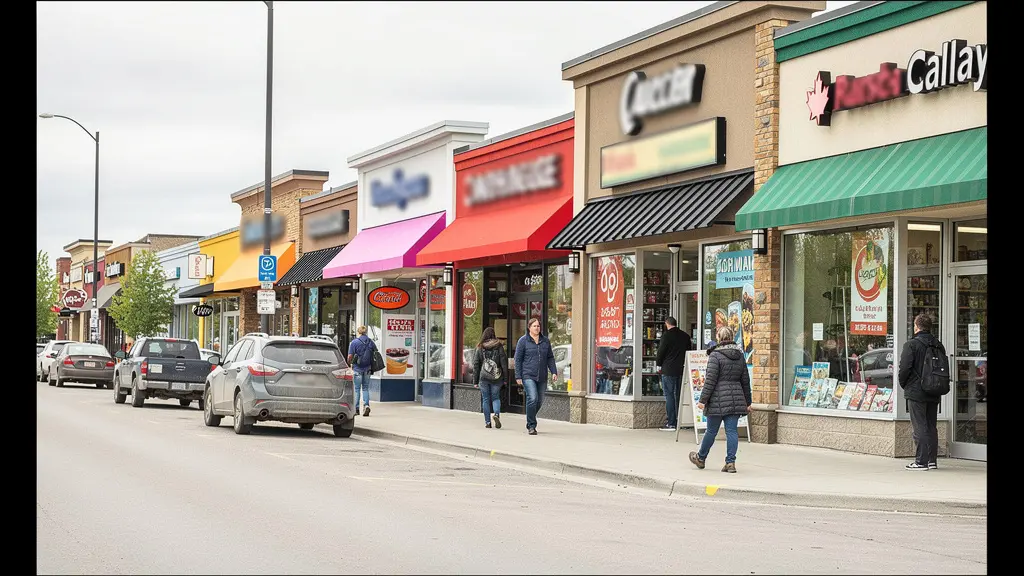
Calgary Bylaw Reality Check: What You Can and Can’t Do
Calgary bylaw enforcement: What I’ve seen happen
In my experience working with Calgary businesses, the most common mistake I see is placing temporary signs on what turns out to be city property. Calgary bylaw officers are notably strict about this—and I’ve seen businesses have their signs removed within days, sometimes with fines attached.
The mistake costs more than just the sign. According to City of Calgary sign permit regulations, Class E signs must be located on the same site as the business they advertise. That strip of grass between your parking lot and the road? Probably city property. That corner you think gives you great visibility? Check before you place anything.
The rules get specific fast. The Calgary temporary sign bylaw requirements spell out that signs cannot be within 15 metres of any intersection and must stay 30 metres from bus shelters, LRT stations, or platforms. School zones and playgrounds are completely off-limits.
I worked with an auto repair shop owner in SE Calgary who’d struggled for years to attract new customers. Good service, terrible visibility. His location sat in an industrial pocket with almost no walk-by traffic. He assumed signage couldn’t help. What he didn’t realize was that a high-traffic road ran adjacent to his property—on private land where he had permission to place a temporary sign. Within two months, his inquiry calls increased noticeably.
Multi-tenant complexes add another layer. Even if you’re clear with the city, your landlord may have restrictions. I’ve seen plaza agreements that limit sign sizes, prohibit certain colours, or require approval processes that take weeks. Check your lease before you plan anything.
Before you place that sign: 5-point compliance check
-
Verify the property boundary—is your intended spot actually on private property you control? -
Measure distance from intersections (must exceed 15 metres) -
Check proximity to transit stops (must exceed 30 metres) -
Review your lease for landlord sign restrictions -
Confirm you don’t need a Class E development permit for your sign type
Measuring Whether Your Sign Is Actually Working
Here’s the question that separates smart business owners from hopeful ones: how do you know if that sign is actually bringing people through your door?
You don’t need sophisticated analytics. What you need is consistency. The businesses I’ve seen succeed with signage treat measurement like a habit, not a one-time event.
Four steps to track your sign’s impact
-
Establish your baseline
Count walk-ins or inquiries for two weeks before installing your sign. Same days, same hours. Write it down.
-
Ask the question
Train your team to ask every new customer: “How did you hear about us?” Keep a tally by source.
-
Wait long enough
From the campaigns I’ve managed, expect 4-8 weeks before patterns emerge. Week one tells you nothing.
-
Compare and decide
Compare post-sign traffic to your baseline. A 10% increase in walk-ins is significant for most small businesses.
How one Calgary restaurant measured their sign’s impact
I worked with Marcus, a restaurant owner in Kensington, last spring. New spot, good food, but foot traffic wasn’t matching his expectations. His initial sign placement got blocked by a complaint from an adjacent business—frustrating, but we relocated to a less ideal but compliant position on his own patio edge.
He tracked walk-ins manually for three weeks before and six weeks after. The result? Around a 20% increase in first-time diners mentioning the sign. Not perfect. But enough to justify renewing the rental.
The lesson I took from that experience: sometimes the perfect spot isn’t available—but a good spot beats no spot.
This kind of visibility strategy connects to broader strategies for employer branding as well. How people perceive your business from the outside—whether as a customer or potential employee—starts with what they see before they walk in.
Just as you’d apply clear criteria for choosing cleaning services or any vendor, apply the same rigour to evaluating your signage provider. Ask for placement recommendations based on your specific traffic patterns. Request examples of Calgary businesses they’ve worked with. And verify they understand local bylaw requirements before you sign anything.
Your next move
The proof of signage effectiveness is in the repeat business. Owners who try temporary signs strategically often become regular users. Not because signage is magic—but because it works for the businesses that need it.
If you’re in a visible location with street traffic, you’re leaving money on the table without proper signage. If you’re hidden away with no passing foot traffic, save your budget for channels that actually reach your audience.
Start with this: walk your property boundary. Identify where you can legally place a sign. Then ask yourself one question—if someone drove past right now, would they even know you exist?