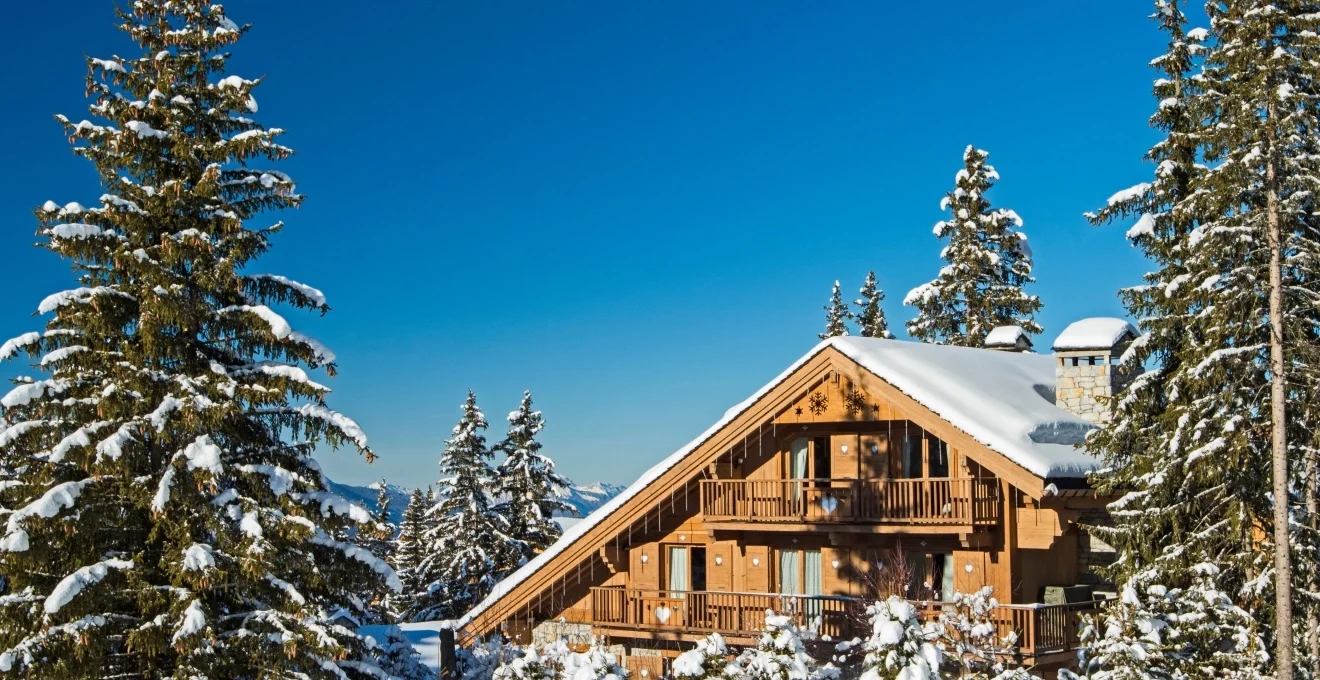
The French Alps luxury property market has evolved into a sophisticated ecosystem where discerning investors seek both lifestyle enhancement and exceptional financial returns. Courchevel stands as the undisputed crown jewel of Alpine real estate, commanding premium rental rates that consistently outperform comparable ski destinations worldwide. This prestigious resort’s unique combination of world-class skiing infrastructure, Michelin-starred dining experiences, and exclusive clientele creates an investment environment where property owners regularly achieve rental yields exceeding 6-8% annually, significantly higher than traditional European real estate markets.
The resort’s strategic positioning within the Three Valleys ski domain, coupled with its reputation for attracting ultra-high-net-worth individuals, has created a perfect storm of supply scarcity and relentless demand. Property investors who understand the intricate dynamics of Courchevel’s rental market can leverage these factors to generate substantial returns while enjoying one of Europe’s most coveted mountain lifestyle destinations.
Courchevel’s premium alpine real estate market dynamics
The fundamental economics driving Courchevel’s exceptional rental performance stem from a carefully orchestrated combination of exclusivity, accessibility, and uncompromising luxury standards. Unlike traditional rental markets where supply can expand to meet demand, Courchevel operates within strict environmental and architectural constraints that limit new development opportunities. This artificial scarcity creates a rental marketplace where premium properties command extraordinary weekly rates during peak seasons.
Property values in Courchevel have demonstrated remarkable resilience, with prime locations in Courchevel 1850 experiencing price appreciation of approximately 9% annually. The resort’s ability to maintain such growth rates reflects both the limited supply of available properties and the expanding global pool of wealthy individuals seeking exclusive mountain retreats. For investors, this creates a dual benefit: strong rental income during occupancy periods and significant capital appreciation over time.
Three valleys ski domain economic impact analysis
The Three Valleys ski area represents the world’s largest interconnected ski domain, encompassing over 600 kilometers of marked pistes across multiple resort villages. This massive infrastructure investment creates an economic moat around Courchevel properties, as guests pay premium rates for direct access to such extensive skiing terrain. Properties offering ski-in, ski-out access within this network command rental premiums of 40-60% compared to village-center alternatives.
The economic multiplier effect extends beyond skiing infrastructure. The Three Valleys domain attracts approximately 2.5 million skier visits annually, with Courchevel capturing a disproportionate share of high-spending visitors. This visitor volume creates consistent demand for luxury accommodations throughout the winter season, with occupancy rates frequently exceeding 85% during peak periods from December through March.
La tania and le praz village investment performance metrics
While Courchevel 1850 commands headlines for its ultra-luxury properties, savvy investors increasingly recognize the superior yield potential within La Tania and Le Praz villages. These locations offer compelling investment mathematics: property acquisition costs typically range from €8,000-€15,000 per square meter, significantly below the €30,000-€40,000 premium commanded in 1850, yet rental rates remain surprisingly robust relative to purchase prices.
La Tania properties demonstrate particularly impressive cash-on-cash returns , with well-positioned chalets generating gross rental yields approaching 8-10% annually. The village’s family-friendly atmosphere and forest setting appeal to a broader demographic than the ultra-exclusive 1850 clientele, resulting in higher occupancy rates and more predictable revenue streams. Le Praz benefits from its authentic Savoyard character and improved transportation links, attracting guests seeking traditional Alpine charm at accessible price points.
Michelin-starred restaurant density effect on property valuations
Courchevel boasts the highest concentration of Michelin-starred restaurants of any ski resort globally, with prestigious establishments including Le 1947, Le Chabichou, and Kintessence creating a culinary ecosystem unmatched in Alpine tourism. This gastronomic excellence directly correlates with property rental performance, as discerning guests willingly pay premium rates for proximity to world-class dining experiences.
Properties located within walking distance of Michelin-starred establishments command rental premiums averaging 25-35% compared to equivalent accommodations in other resort areas. The culinary reputation attracts guests during shoulder seasons and summer months, extending the traditional ski-season rental period and improving overall yield calculations. Food-focused travelers represent a growing market segment willing to pay luxury accommodation rates year-round for access to exceptional dining experiences.
Helicopter access infrastructure premium pricing model
Courchevel’s dedicated helicopter altiport serves as both a practical transportation hub and a powerful status symbol, enabling wealthy guests to bypass traditional ground transportation entirely. Properties offering helicopter access or proximity to the altiport command significant rental premiums, as this convenience factor resonates strongly with ultra-high-net-worth individuals who prioritize time efficiency and privacy.
The helicopter infrastructure creates a premium tier within the premium market , allowing property owners to target the most affluent segment of Alpine tourists. Weekly rental rates for helicopter-accessible properties can exceed €50,000-€80,000 during peak periods, representing yields that justify the substantial acquisition costs associated with prime 1850 real estate. This transportation advantage becomes particularly valuable during high-demand periods when road access may be congested or weather-dependent.
Occupancy rate optimization through strategic seasonal positioning
Maximizing rental yields in Courchevel requires sophisticated understanding of seasonal demand patterns and guest preferences throughout the year. Successful property investors recognize that occupancy optimization extends far beyond traditional winter ski seasons, encompassing shoulder periods, summer activities, and corporate hospitality opportunities. The resort’s evolution into a year-round destination has fundamentally altered rental yield calculations, with properties now generating revenue across 8-10 months annually rather than the traditional 4-5 month winter focus.
Professional property management companies specializing in Courchevel rentals have developed sophisticated algorithms that maximize occupancy rates through dynamic pricing strategies. These systems analyze booking patterns, competitor rates, and seasonal demand fluctuations to optimize rental income across different guest segments. Properties managed through these professional systems typically achieve occupancy rates 15-20% higher than owner-managed alternatives.
Winter sports season booking algorithm performance
Advanced booking algorithms deployed by leading Courchevel rental agencies analyze multiple variables to optimize winter season performance. These systems consider factors including snow conditions, school holiday schedules across different European countries, currency fluctuations, and competitor pricing to establish dynamic rate structures. Properties utilizing these sophisticated pricing models typically achieve revenue increases of 20-30% compared to static pricing approaches.
Peak winter periods, particularly Christmas/New Year and February school holidays, represent the primary revenue generation opportunities for most properties. During these periods, weekly rental rates for luxury chalets can reach €80,000-€300,000, justifying the substantial marketing and management investments required to capture this demand. The algorithm-driven approach ensures properties remain competitively positioned while maximizing revenue during these crucial booking windows.
Summer mountain biking and hiking revenue diversification
Courchevel’s summer transformation into a mountain biking and hiking destination has created substantial new revenue opportunities for property owners willing to market beyond traditional winter sports demographics. The resort now attracts approximately 30% more visitors during summer months than winter, fundamentally altering the rental market dynamics. Summer guests typically book for longer periods, reducing turnover costs while maintaining steady occupancy rates.
Properties positioned near mountain biking trails or hiking access points command premium summer rental rates, with weekly bookings ranging from €15,000-€40,000 for luxury accommodations. This summer demand provides crucial revenue diversification, reducing dependence on snow conditions and winter weather patterns. Year-round rental strategies now represent best practice for maximizing property investment returns in Courchevel’s evolving market landscape.
Corporate retreat and conference market penetration strategies
The corporate hospitality and retreat market represents a significant untapped revenue opportunity for many Courchevel property owners. Large luxury chalets and apartment complexes can accommodate corporate groups seeking exclusive venues for executive retreats, team building activities, and client entertainment events. This market segment typically books during shoulder seasons, filling occupancy gaps while commanding substantial nightly rates.
Corporate bookings offer several advantages over traditional vacation rentals: longer booking lead times, reduced cancellation rates, and premium pricing for exclusive use arrangements. Companies organizing executive retreats in Courchevel often budget €2,000-€5,000 per person per night for accommodation, creating opportunities for property owners to achieve exceptional yields during traditionally quieter periods. The prestige associated with Courchevel’s brand enhances its appeal for corporate entertainment purposes.
VIP clientele retention through concierge service integration
Ultra-high-net-worth guests expect seamless concierge services that extend far beyond basic accommodation provision. Properties offering integrated concierge services achieve significantly higher repeat booking rates and command premium pricing through enhanced guest experiences. These services range from restaurant reservations and ski instruction coordination to private jet arrangements and exclusive event access.
The concierge service integration creates powerful guest loyalty effects, with satisfied clients returning annually and referring associates within their social networks. This viral marketing effect among wealthy clientele reduces marketing costs while ensuring consistent occupancy from high-value guests. Properties offering comprehensive concierge services typically achieve average daily rates 30-40% higher than comparable accommodations without these services.
Luxury amenity integration ROI analysis
Investment in luxury amenities represents a critical component of optimizing rental yields in Courchevel’s competitive marketplace. Property owners must carefully analyze the return on investment for various amenity categories, balancing initial capital expenditure against long-term rental premium potential. The most successful properties strategically invest in amenities that differentiate their offerings while appealing to their target guest demographics.
Comprehensive amenity packages can justify rental premiums of 50-100% compared to basic accommodations, but the initial investment requirements demand careful financial analysis. Property owners should focus on amenities that provide both immediate rental appeal and long-term value retention, creating sustainable competitive advantages in the luxury rental market. You can explore current luxury property offerings and their amenity packages through altitude-courchevel.com to understand market expectations and positioning strategies.
Ski-in ski-out property revenue multiplication factors
Ski-in, ski-out access represents the ultimate amenity for winter sports enthusiasts, commanding the highest rental premiums within Courchevel’s accommodation hierarchy. Properties offering direct slope access typically achieve rental rates 60-80% higher than village-center alternatives, with peak-season weekly rates frequently exceeding €100,000 for luxury chalets. This premium reflects both the convenience factor and the exclusive nature of truly piste-side locations.
The revenue multiplication effect extends beyond daily rates to include extended booking windows and reduced vacancy periods. Guests seeking ski-in, ski-out accommodations typically book 6-12 months in advance and demonstrate higher repeat visitation rates. The exclusivity factor also enables property owners to implement more selective guest screening processes, reducing property wear and maintenance costs while maintaining premium positioning.
Private chef services and wine cellar investment returns
High-end culinary amenities, including private chef services and temperature-controlled wine cellars, have become essential differentiators in Courchevel’s luxury rental market. Properties offering these services can command nightly rate premiums of €500-€1,500 per night, while guests increasingly view professional culinary experiences as non-negotiable components of luxury Alpine vacations.
Wine cellar investments, while requiring substantial initial capital, provide multiple revenue opportunities including exclusive wine experiences, private tastings, and premium bottle sales to guests. Well-curated wine collections become marketing assets that attract sophisticated clientele willing to pay premium rates for access to rare vintages. The experiential luxury trend makes culinary amenities increasingly valuable for rental yield optimization.
Spa and wellness facility revenue stream optimization
Spa and wellness facilities represent rapidly growing amenity categories within Courchevel’s luxury accommodation sector. Properties featuring professional spa facilities, including treatment rooms, saunas, steam rooms, and fitness equipment, command rental premiums averaging 35-50% above comparable properties without wellness amenities. The post-pandemic focus on health and wellness has accelerated demand for private spa experiences.
Revenue optimization extends beyond basic rental premiums to include ancillary service income from massage therapists, personal trainers, and wellness practitioners. Properties can partner with local service providers to offer comprehensive wellness packages, generating additional revenue streams while enhancing guest satisfaction. Summer bookings particularly benefit from spa amenities, as guests seek relaxation experiences during hiking and mountain biking activities.
Smart home technology integration impact on rental rates
Advanced smart home technology integration has transitioned from luxury novelty to essential amenity within Courchevel’s premium rental market. Properties featuring comprehensive automation systems, including climate control, lighting, entertainment systems, and security management, appeal to tech-savvy guests who expect seamless digital integration during their luxury experiences.
Smart home features provide both guest convenience and operational efficiency benefits for property owners. Automated systems reduce energy costs, enable remote property monitoring, and streamline guest check-in processes. Properties with advanced technology packages typically achieve rental premiums of 15-25% while reducing operational costs through improved efficiency. The technology investment also enhances property resale value and long-term market positioning.
Capital appreciation trajectories in courchevel 1850
Courchevel 1850 represents the pinnacle of Alpine real estate investment, with capital appreciation rates consistently outperforming broader European property markets. Historical data demonstrates average annual appreciation of 6-9% over the past decade, with premium properties in prime locations achieving even higher returns. The combination of supply constraints, increasing global wealth concentration, and Courchevel’s strengthening brand recognition creates powerful tailwinds for continued value appreciation.
Recent market analysis reveals that trophy properties in 1850 have appreciated at rates approaching 12-15% annually, driven by competition among ultra-high-net-worth individuals for the limited inventory of truly exceptional chalets and apartments. This appreciation occurs alongside strong rental yields, creating rare investment scenarios where properties generate substantial current income while building significant equity value. The scarcity premium continues to intensify as environmental regulations limit new development opportunities.
Investment-grade properties in Courchevel 1850 now command prices exceeding €30,000-€45,000 per square meter, with exceptional chalets selling for €15-30 million or more. Despite these substantial acquisition costs, the combination of rental income and capital appreciation often generates total returns exceeding 10-15% annually for well-positioned properties. The ultra-luxury market segment demonstrates particular resilience during economic downturns, as wealthy individuals continue purchasing trophy assets regardless of broader economic conditions.
Market dynamics suggest that Courchevel 1850 properties serve as both lifestyle assets and inflation hedges, providing portfolio diversification benefits alongside exceptional return potential for qualified investors.
Tax optimization strategies for french alpine property investment
French property investment taxation presents both challenges and opportunities for international investors seeking to optimize their Courchevel rental yields. The Para-Hotelier scheme represents the most significant tax advantage available, enabling property owners to reclaim VAT on new construction purchases while enjoying tax-free rental income for up to 30 years. This program can effectively reduce property acquisition costs by 20% while eliminating ongoing income tax obligations on rental revenue.
Qualifying for Para-Hotelier status requires properties to meet specific criteria regarding short-term rental management and availability requirements. Properties must be available for rental throughout specified seasons and managed through approved professional services. While these requirements limit personal use opportunities, the tax benefits often justify the restrictions for investment-focused buyers. Professional tax advisors specializing in French property investment can structure ownership entities to maximize available benefits.
Additional tax optimization strategies include utilizing French mortgage financing to maintain foreign tax advantages, structuring ownership through appropriate legal entities, and timing property sales to minimize capital gains exposure. Non-resident investors face different tax obligations than French residents, creating opportunities for strategic tax planning. The complexity of French property taxation demands professional guidance to ensure compliance while maximizing after-tax returns.
Estate planning considerations become particularly important for valuable Courchevel properties, as French inheritance laws can create significant tax liabilities for heirs. Life insurance structures and appropriate ownership entities can mitigate these risks while preserving wealth transfer opportunities. Regular tax planning reviews ensure investment structures remain optimized as tax regulations and personal circumstances evolve over time.
Competitive analysis against verbier and st. moritz rental markets
Courchevel’s rental yield performance significantly exceeds comparable luxury ski destinations including Verbier and St. Moritz across multiple performance metrics. While Verbier offers excellent skiing and attracts wealthy international clientele, its rental rates typically lag Courchevel by 20-30% for equivalent property categories. St. Moritz commands premium pricing but operates within a more limited seasonal window, reducing overall yield potential despite high daily rates
. The Swiss resort’s limited accessibility during certain weather conditions further constrains its rental potential, while Courchevel’s superior infrastructure ensures consistent guest access throughout peak seasons.
Detailed analysis of weekly rental rates reveals Courchevel’s premium positioning: luxury chalets in Courchevel 1850 command €50,000-€300,000 per week during peak periods, compared to €35,000-€180,000 in Verbier and €60,000-€250,000 in St. Moritz. However, Courchevel’s extended season and higher occupancy rates typically generate 15-25% higher annual yields despite St. Moritz’s occasionally higher peak rates.
The accessibility factor significantly favors Courchevel, with Geneva airport transfers taking just 2.5 hours compared to longer journeys required for Verbier and St. Moritz. This convenience translates directly into guest satisfaction and repeat booking rates, with Courchevel properties achieving 65-70% repeat clientele compared to 45-55% for competitor destinations. The superior transportation infrastructure reduces guest friction while enabling property owners to attract time-conscious ultra-high-net-worth individuals who prioritize convenience.
Market data from luxury rental agencies operating across all three destinations confirms Courchevel’s superior performance metrics. Properties in Courchevel 1850 achieve average gross rental yields of 6-8% compared to 4-6% in Verbier and 5-7% in St. Moritz when accounting for full annual performance including shoulder seasons. The Three Valleys infrastructure advantage becomes particularly evident during poor weather conditions, when Courchevel maintains higher activity levels while competitor resorts experience significant booking cancellations.
Professional rental management companies report that Courchevel properties consistently outperform Verbier equivalents by 20-30% in total annual rental revenue, while matching or exceeding St. Moritz performance with greater operational simplicity.
Currency considerations also favor Courchevel for many international investors, as Euro-denominated rental income provides more favorable exchange dynamics than Swiss Franc exposure for most global wealth holders. The French regulatory environment, while complex, offers clearer pathways for tax optimization through programs like Para-Hotelier status, which have no equivalent in Swiss or other Alpine jurisdictions.