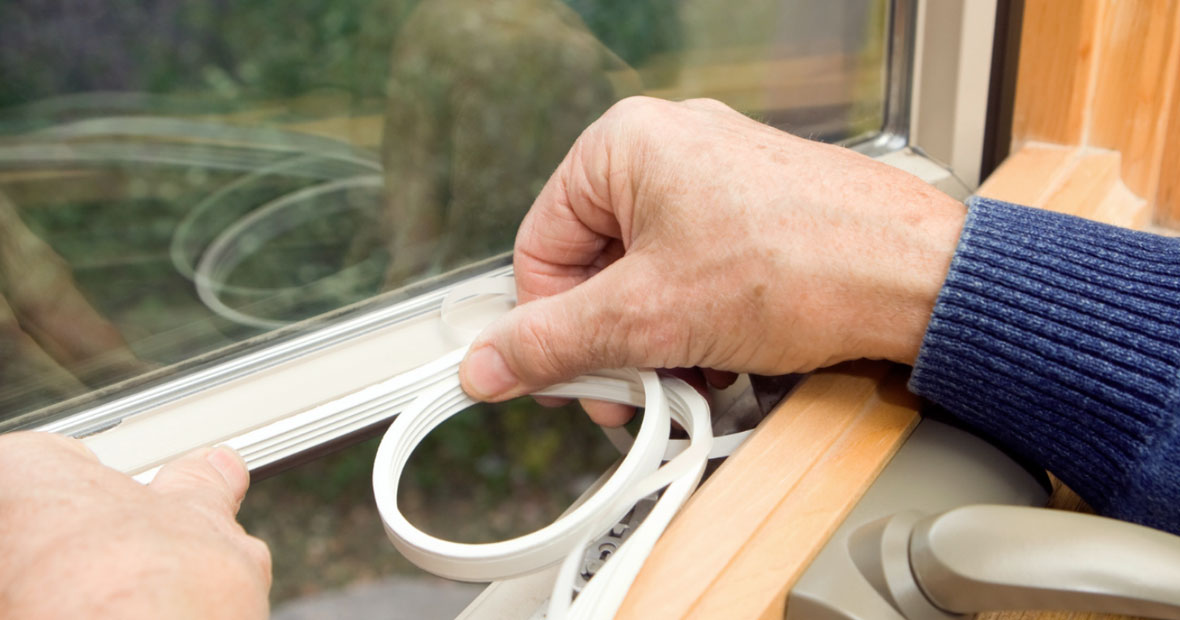
The cold spot by your living room window isn’t just uncomfortable—it’s a symptom of a larger problem that compounds with every passing winter. Homeowners across Canada face a critical decision when replacing windows: accept “good enough” performance at a moderate price, or invest in engineered solutions designed specifically for temperature extremes that swing from -40°C to +35°C.
This choice extends far beyond initial purchase price. The gap between acceptable and exceptional window performance manifests in daily comfort degradation, structural integrity risks, and replacement costs that most homeowners discover only after the damage accumulates. When evaluating options, consulting specialized window manufacturers with proven Canadian climate expertise, such as ravenwindows.com, provides a foundation for making informed decisions based on engineering realities rather than marketing claims.
The following analysis reveals the hidden costs of compromise and provides a technical framework for evaluating true long-term window value in Canadian climates. Rather than repeating generic energy efficiency advice, this examination dissects the invisible differences that separate engineered systems from assembled components—differences that only become apparent under years of thermal cycling stress.
Premium window value in Canadian climates
- Drafty “acceptable” windows impose hidden costs through micro-climate discomfort, condensation damage, and compounding structural deterioration that exceed simple energy bill calculations
- Extreme temperature cycling separates engineered thermal integration from component assembly, with quality gaps invisible at installation but critical after five years of stress
- Material aging trajectories over 15-20 years reveal why initial warranties don’t predict long-term performance in Canadian conditions
- Canadian manufacturing provides climate-specific engineering advantages and practical warranty accountability that international products cannot match
- Lifecycle value analysis incorporating replacement cycles and comfort quantification identifies the premium sweet spot beyond simplistic ROI calculations
What ‘acceptable’ windows actually cost over a Canadian winter
The thermal discomfort radiating from substandard windows creates invisible daily costs that never appear on utility bills. Homeowners adapt unconsciously—wearing extra layers indoors, avoiding rooms near exterior walls, running space heaters to compensate for cold radiation zones. These micro-climate compromises accumulate into a comfort tax that persists throughout the heating season.
Drafts represent more than moving air. Cold surfaces create convection currents that pull heat away from occupants even in sealed rooms. A window surface at 10°C in a 20°C room generates a cold radiation effect extending several feet into living space. The body compensates by increasing metabolic heat production, creating physiological stress that manifests as fatigue and thermal discomfort despite adequate ambient temperature readings.
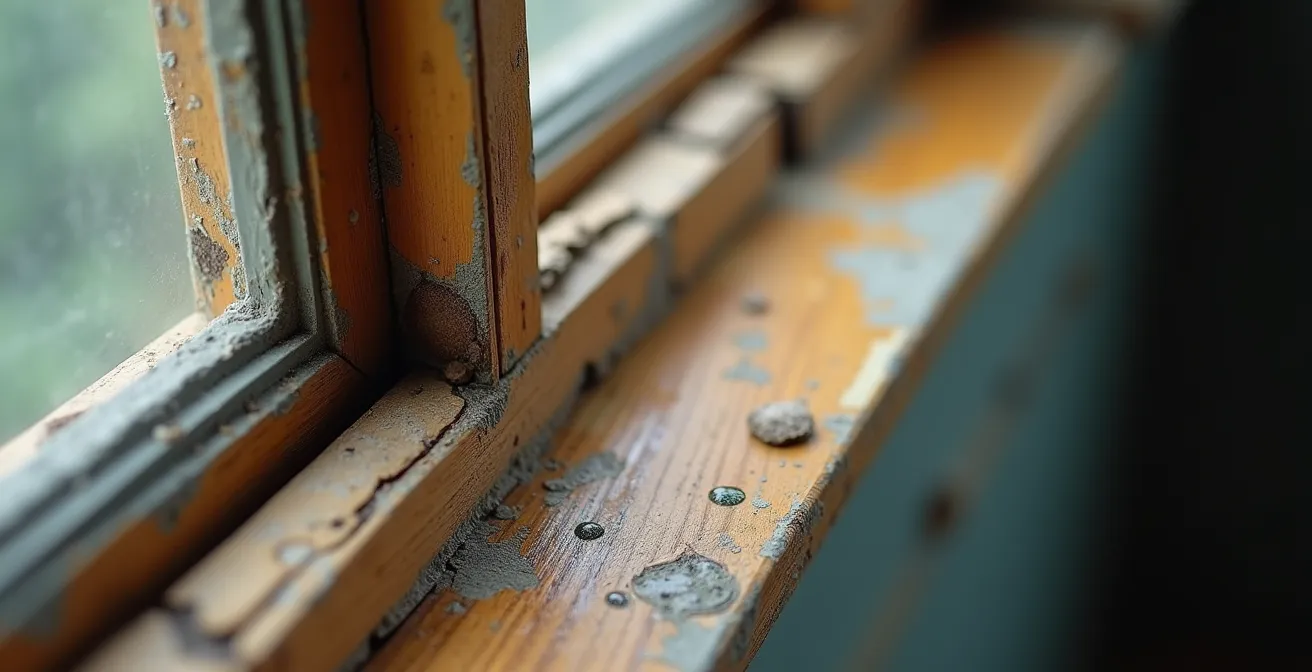
Visual evidence of performance failure often appears gradually. Paint bubbling along window frames signals moisture infiltration. Wood grain swelling indicates repeated condensation cycles. By the time damage becomes obvious, secondary deterioration has already compromised structural integrity. The contrast between degraded frames and properly engineered installations reveals how material selection and thermal design prevent deterioration at the molecular level.
Condensation-driven damage extends beyond aesthetics. Canada’s variable climate creates ideal conditions for moisture problems, as noted by building science experts who observe that warm, humid summers followed by cold winters generate condensation patterns on windows and within wall assemblies. This seasonal cycling accelerates mold growth, frame rot, and paint degradation in ways that compound exponentially rather than linearly.
Canada’s variable climate—warm, humid summers and cold winters—often results in condensation on windows or within walls
– Ultimate Mold Crew, Mold Problem Analysis Canada
Laboratory energy ratings provide theoretical performance metrics that fail to account for real-world installation variables and extreme cold exposure. A window rated for specific U-values under controlled conditions may perform significantly worse when subjected to sustained -30°C temperatures, wind-driven air infiltration, and thermal bridging through poorly designed frame systems. The gap between certification testing and actual winter performance represents one of the most significant yet least discussed factors in window selection.
Why temperature extremes separate craftsmanship from assembly
Manufacturing philosophy determines whether window components function as an integrated thermal system or merely assembled parts meeting minimum specifications. Engineered windows treat the frame, glazing, spacers, and sealants as interdependent elements designed to perform under extreme stress. Component assembly approaches optimize individual parts for cost while accepting compromises in how those parts interact under thermal cycling.
The distinction becomes critical under Canadian climate conditions. Windows engineered for extreme performance account for how materials expand, contract, and interact across daily temperature swings ranging from -20°C to +5°C in many parts of Canada during winter months. Frame materials must expand and contract at compatible rates with glazing systems. Seal integrity depends on materials maintaining flexibility across this range. Thermal bridges must be eliminated through continuous insulation rather than spot treatment.
Material behavior under temperature extremes reveals quality differences invisible during showroom evaluation. Standard vinyl becomes brittle below -25°C, compromising structural integrity during the coldest weeks. Aluminum frames without thermal breaks create condensation highways that no amount of glazing technology can overcome. Sealants formulated for moderate climates lose elasticity, creating air infiltration paths that widen with each seasonal cycle.
| Frame Material | Thermal Expansion Rate | 15-Year Performance | Seal Integrity |
|---|---|---|---|
| Aluminum (unbroken) | High | Poor | Compromised |
| Vinyl (standard) | Moderate | Good | Stable |
| Fiberglass | Low | Excellent | Superior |
| Wood-Clad | Variable | Very Good | Good |
Budget and mid-tier manufacturers cut costs in ways that pass installation inspection but fail the five-year thermal cycling test. Corner joints use mechanical fasteners rather than fusion welding. Glazing units specify minimum spacer bars that conduct heat efficiently. Weather stripping selects materials based on initial compression resistance rather than long-term memory retention. These invisible compromises only reveal themselves after thousands of expansion-contraction cycles have stressed every joint and seal.
Research into advanced glazing technology demonstrates how component integration matters. Studies confirm that inert gas fills like argon or krypton reduce heat transfer through glass, while traditional aluminum spacers contribute to heat loss and condensation problems along edges. The performance benefit of premium gas fills disappears entirely if frame design creates thermal bridges that bypass the glazing system. True engineering integration requires simultaneous optimization of every thermal pathway.
How premium materials respond differently to decades of stress
Window evaluation typically focuses on installation day appearance and initial performance specifications. A more revealing assessment examines how materials age over 15-20 years under sustained Canadian climate stress. Degradation patterns separate materials engineered for longevity from those meeting minimum standards designed for planned obsolescence.
Vinyl, composite, and fiberglass follow distinct aging trajectories. Standard vinyl formulations without UV stabilizers chalk and discolor within seven years, with brittleness appearing around year ten in northern exposures. Composite materials vary dramatically based on polymer quality and fiber reinforcement ratios—premium formulations maintain dimensional stability while budget versions warp under differential heating. Fiberglass demonstrates exceptional long-term stability when resin systems resist UV degradation and thermal cycling stress.
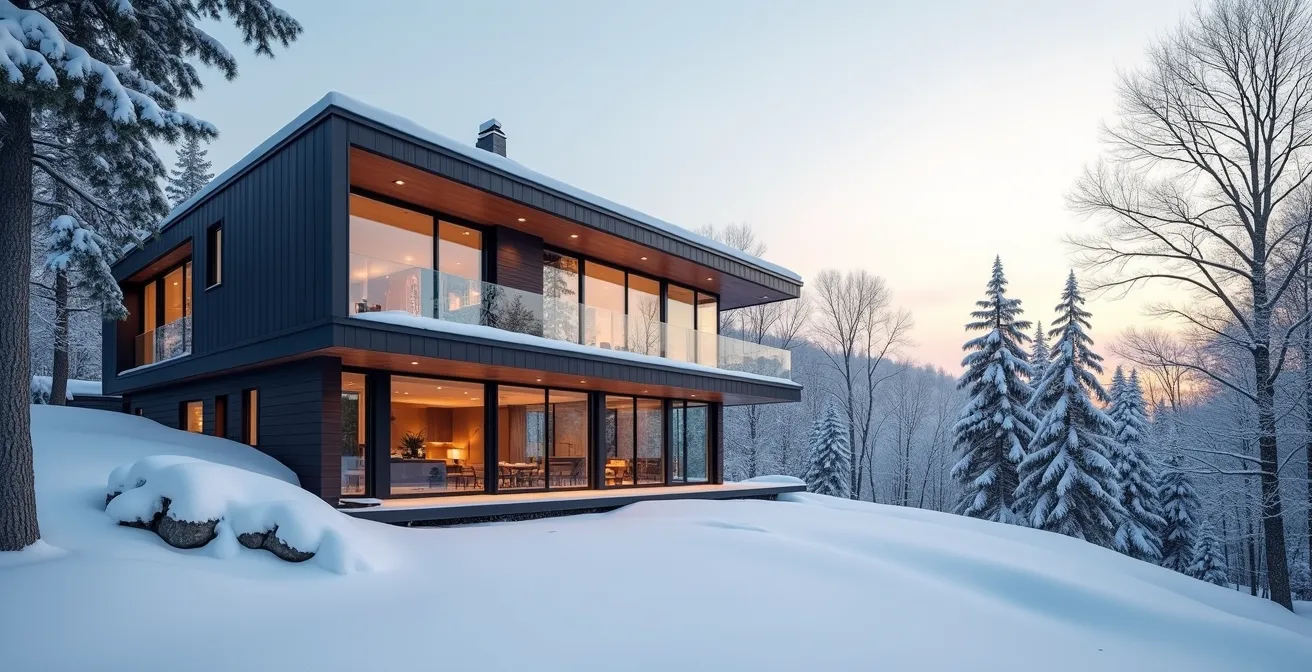
Material performance over extended timeframes reveals why premium engineering focuses on molecular stability rather than cosmetic durability. Polymer chains in low-grade vinyl break down under UV exposure and temperature extremes, creating brittleness that compromises structural integrity decades before visual deterioration appears. Fiberglass maintains dimensional stability because glass fibers provide reinforcement that doesn’t degrade, while resin systems engineered for outdoor exposure resist the photochemical reactions that destroy lesser materials.
Sealant and gasket technology represents the most common failure point in otherwise adequate windows. Budget installations use sealants formulated for general construction rather than the specific demands of thermal cycling and UV exposure. Premium systems specify silicone or polyurethane formulations that maintain elasticity across temperature extremes, with gasket materials that retain compression memory after thousands of thermal cycles. The difference manifests as maintained air-tightness versus progressive air infiltration that worsens annually.
The 15-year inflection point separates quality tiers with brutal clarity. Well-engineered windows at this age show minimal performance degradation—glazing seals remain intact, frame joints maintain structural integrity, operating hardware functions smoothly. Mid-tier installations begin showing seal failures, condensation between glazing layers, frame warping, and hardware deterioration. Budget products often require complete replacement as accumulated failures make repair uneconomical. Initial warranty coverage rarely extends to this critical period when quality differences become undeniable.
Why Canadian manufacturing means engineering for your climate
Local manufacturing provides advantages that extend beyond patriotic preference into genuine technical and practical superiority. Canadian window manufacturers design products for the specific temperature extremes, seasonal cycling, and performance requirements that define this climate. International manufacturers necessarily optimize for diverse global markets, creating inherent compromises in Canadian-specific performance.
Design standards optimized for Canadian conditions account for realities that generic international specifications ignore. Windows engineered for markets with moderate winters use different thermal break geometries, insulation thickness, and glazing specifications than products designed for -40°C exposure. Frame depths, reinforcement schedules, and drainage systems reflect climate-specific requirements that appear only in products developed for extreme northern conditions.

Quality verification extends beyond initial specifications to manufacturing precision and consistency. Skilled craftspeople apply expertise developed through years of working with materials under local climate stress. Measurement precision ensures thermal breaks align properly, glazing units seat correctly, and weatherstripping compresses to specified tolerances. The difference between acceptable and exceptional performance often resides in millimeter-level precision during assembly—details impossible to verify after installation but critical to long-term function.
Supply chain advantages become crucial after year ten when component replacement needs arise. Local manufacturers maintain parts inventory, provide warranty service through established networks, and face market accountability that incentivizes quality. International suppliers often discontinue product lines, abandon markets, or restructure in ways that make warranty enforcement practically impossible. The theoretical 20-year warranty becomes meaningless if the company no longer services the Canadian market or replacement parts prove unavailable.
Testing protocols and market accountability create competitive pressure that drives continuous improvement. Canadian manufacturers face direct comparison against competitors serving the same climate conditions, using the same testing standards, and accountable to the same building codes. This competitive environment rewards genuine performance advances rather than marketing innovation. Homeowners benefit from transparent performance data and the ability to verify claims through local building science resources, similar to how those seeking premium joinery solutions can evaluate supplier credentials through industry verification.
The relationship between initial investment and long-term support differs fundamentally with local manufacturing. Service calls receive priority because reputation depends on local market perception. Technical support understands regional installation challenges rather than consulting generic manuals. Warranty claims process through established channels rather than international customer service systems. These practical advantages compound over decades to create value impossible to quantify in initial purchase comparisons, much as homeowners who find quality home services discover that local accountability matters as much as initial pricing.
Key Takeaways
- Hidden costs of acceptable windows compound through comfort degradation and structural damage beyond energy bills
- Temperature cycling stress reveals manufacturing quality differences invisible during showroom evaluation
- Material aging trajectories over 15-20 years separate engineered longevity from planned obsolescence
- Canadian manufacturing provides climate-specific engineering and practical warranty accountability advantages
- Lifecycle value analysis incorporating replacement cycles identifies optimal investment beyond simplistic ROI calculations
Simplistic return-on-investment calculations that divide energy savings by window cost fail to capture the true economic and quality-of-life dimensions of window replacement decisions. A rigorous lifecycle value framework accounts for maintenance frequency, replacement timelines, comfort quantification, and the identification of premium performance thresholds where additional cost stops correlating with better outcomes.
Energy savings represent the most quantifiable component but require realistic assumptions. Laboratory performance ratings must be adjusted for installation quality, actual climate data rather than heating degree days, and the diminishing returns of incremental improvements. A window upgrade from U-2.5 to U-1.8 generates substantial savings. The improvement from U-1.8 to U-1.5 costs significantly more while delivering proportionally smaller benefits. Understanding these performance curves prevents overpaying for marginal gains.
Maintenance frequency and replacement timeline dramatically affect lifecycle costs. Budget windows requiring weatherstripping replacement every five years, hardware adjustment every three years, and full replacement at year fifteen generate ongoing costs that erode initial savings. Premium installations with minimal maintenance requirements and 30-40 year service lives spread higher initial investment across extended periods while eliminating recurring service costs. The annualized cost comparison often favors higher quality despite doubled or tripled purchase prices.
Quantifying comfort and health benefits requires methodology beyond simple dollar calculations. Draft elimination, noise reduction, and consistent indoor temperatures create value homeowners experience daily but struggle to price. One approach assigns monetary value based on comparable comfort upgrades—what would radiant floor heating or upgraded HVAC cost to achieve similar comfort improvements? Another method calculates the home value premium that buyers assign to premium windows, effectively measuring the market’s collective comfort valuation.
Identifying the premium sweet spot prevents overpayment while ensuring adequate performance. The optimal investment point typically appears where engineering improvements transition from functional necessity to luxury refinement. Triple-glazing with krypton fill provides measurable performance benefits in Canadian climates. Quadruple glazing with vacuum chambers may offer marginal improvements at exponentially higher cost. Frame materials show similar curves—fiberglass outperforms vinyl significantly, while exotic composites deliver diminishing returns. Careful analysis identifies where each performance curve transitions from steep improvement to plateau pricing.
What makes Canadian-manufactured windows better for extreme climates?
Canadian manufacturers design specifically for temperature extremes from -40°C to +35°C, using frame depths, thermal breaks, and glazing specifications optimized for sustained cold exposure rather than international markets with moderate conditions. Local engineering accounts for seasonal cycling stress that reveals quality differences over decades.
How long should premium windows last in Canadian conditions?
Well-engineered windows with quality materials should maintain performance for 30-40 years with minimal maintenance. The 15-year mark typically separates quality tiers, as mid-range installations begin showing seal failures and frame deterioration while premium products continue performing near original specifications.
Are triple-pane windows worth the additional cost in Canada?
Triple-glazing provides measurable thermal performance and condensation resistance benefits in Canadian climates that justify cost premiums in most applications. The improvement from double to triple-pane shows steeper performance gains than incremental upgrades beyond triple-glazing, representing an optimal balance of cost and performance for extreme temperature exposure.
How do I evaluate window quality beyond Energy Star ratings?
Examine frame material quality and thermal break design, verify sealant and gasket specifications for temperature extremity, assess manufacturing precision through joint examination, and investigate warranty support infrastructure. Long-term material aging resistance and local service accountability often matter more than laboratory performance ratings for lifecycle value.