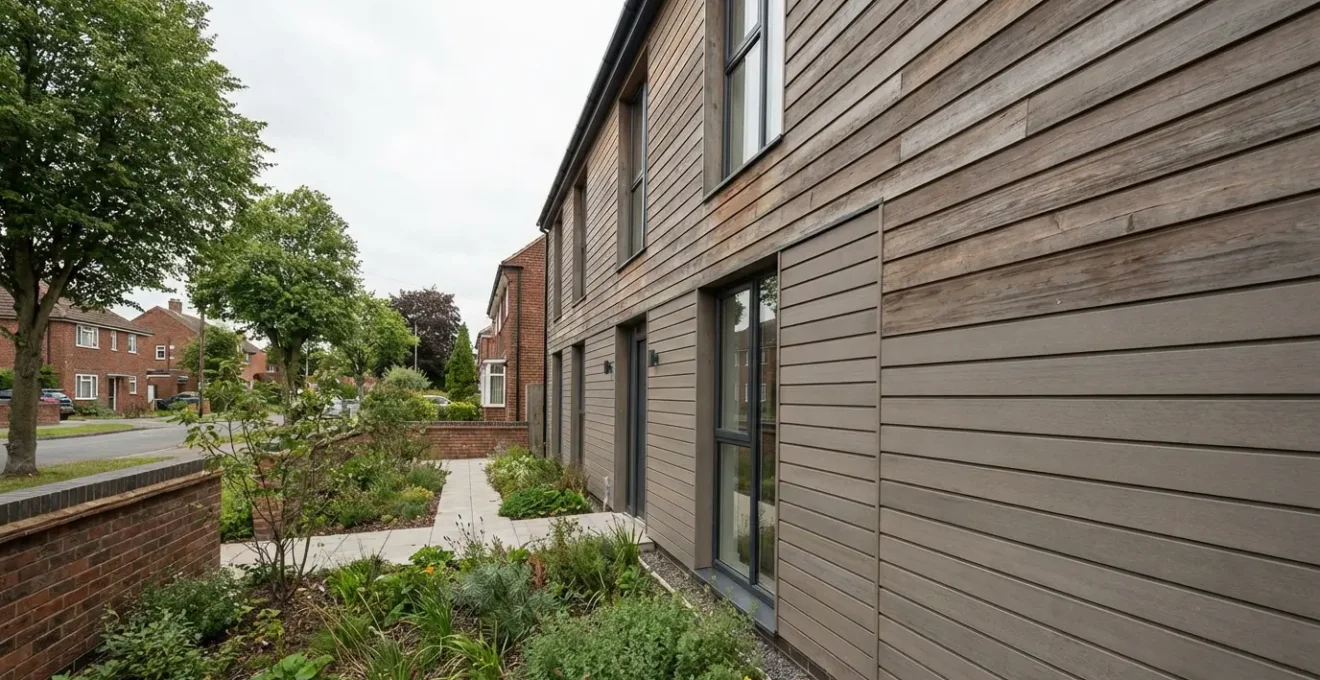
Another callback from a client about rotting cladding. Third one this month. The timber looked perfect at handover—eighteen months later, the north-facing elevation had turned grey, warped, and was starting to split. Soyons clairs: this pattern keeps repeating across projects I advise on. The question is not whether traditional cladding materials fail in UK conditions. The question is how quickly. And for construction professionals tired of warranty claims and maintenance headaches, premium WPC cladding offers a way out of this cycle.
WPC vs Traditional Cladding: 4 Key Takeaways
- Timber cladding in exposed UK locations typically needs treatment every 1-3 years—WPC requires virtually none
- Composite materials start from around £51 per m², compared to £100+ for quality timber
- Premium WPC carries warranties up to 25 years versus timber’s variable lifespan
- Buildings over 11m face strict fire regulations that effectively rule out untreated timber
The Maintenance Trap That Drains Project Budgets
In my experience with cladding projects across South East England, I have repeatedly seen timber panels on north-facing elevations fail within 5-7 years when moisture barriers were inadequate. This is not universal—it depends heavily on coastal proximity and whether owners commit to annual treatment schedules. But the pattern is consistent enough that I now flag it on every specification review.
8.0%
Annual cost increase for cladding remediation (2025)
The numbers tell the story. According to government remediation data from December 2025, cladding replacement now averages £1,843 per square metre when you factor in removal, replacement, and professional fees. That 8% annual increase sits 5.6% above general construction inflation. The maintenance trap is not just about annual treatments—it is about what happens when materials fail prematurely.
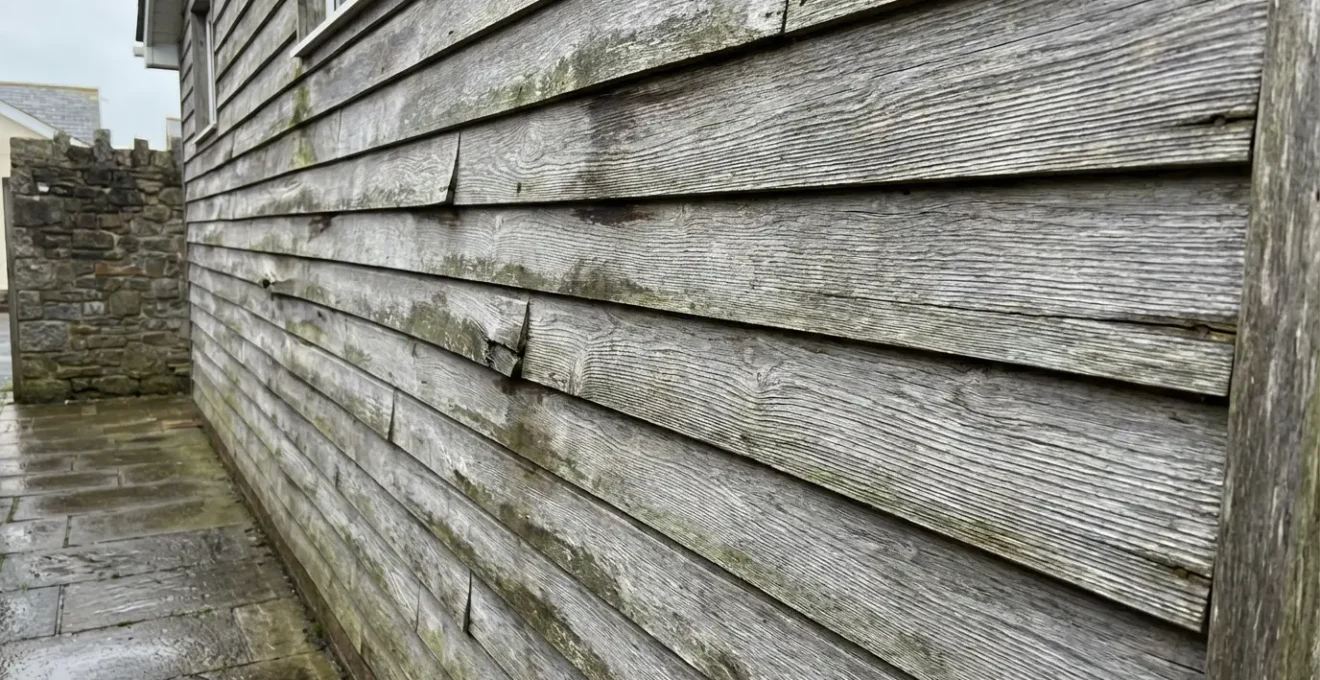
What I have observed across multiple installations: clients rarely budget for ongoing timber maintenance. The treatment schedules get delayed, then skipped, then forgotten. Five years later, you are quoting for replacement instead of a simple re-stain. Frankly, that callback is coming whether you warn them or not.
WPC Against the Traditional Options: Direct Comparison
The comparison needs context. Material costs vary significantly across the UK market, and installation adds another layer of complexity. This breakdown focuses on the three materials WPC typically replaces—the 80/20 of cladding decisions.
| Material | Initial Cost | 15-Year Maintenance | UK Weather Rating | Fire Class |
|---|---|---|---|---|
| Premium WPC | From £51/m² | Minimal (periodic wash) | Excellent | Class B achievable |
| Softwood Timber | From £100/m² | Treatment every 1-3 years | Variable | Class D (untreated) |
| Cedar Premium | Around £165/m² | Treatment every 3-5 years | Good | Class D (untreated) |
| uPVC | Around £80/m² | Low (cleaning only) | Good | Varies by product |
The pricing data comes from Checkatrade‘s 2025 cost analysis, which puts timber cladding starting at around £100 per square metre including labour. Composite materials from Eurocell’s October 2025 pricing guide start at £51.36 per square metre for materials alone—the gap narrows once you factor in long-term upkeep.
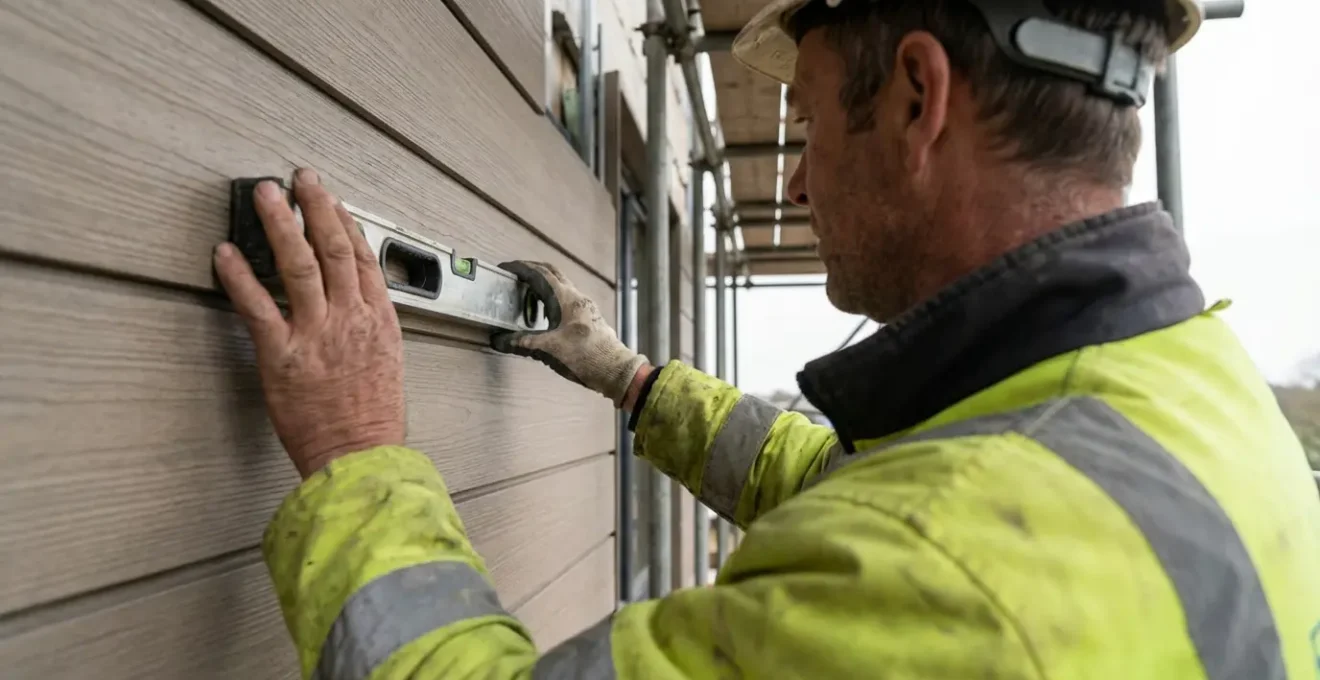
Why Timber Falls Short in UK Weather
According to Timber Development UK‘s cladding handbook, correctly designed timber cladding will have a long, low-maintenance life. That is the theory. The reality on site involves moisture content fluctuating from 10% to 22% seasonally in UK conditions. When clients skip the recommended 16% installation moisture content, problems accelerate.
The mistake I see most often: specifying standard softwood without factoring in orientation. South-facing walls? Usually fine for a decade. North-facing, especially near the coast? I have watched panels need replacement in under seven years. Short sentence: timber is not forgiving.
PVC Cladding: The Hidden Limitations
uPVC looks attractive on the spreadsheet at around £80 per square metre. But thermal movement causes issues that surface after installation. On site, the reality is: panels expand and contract with temperature swings, creating gaps and warping over time. Lower-grade products also suffer UV degradation—fading and brittleness that makes facades look tired within a decade.
Working with contractors, I have found that PVC suits certain applications. Budget-conscious projects with limited aesthetic requirements. Temporary structures. Where you simply need to clad and move on. For anything expecting to look good at year fifteen, the limitations become apparent. If you are working with specialized manufacturers of PVC joinery, they will tell you the same thing about quality tiers.
Fibre Cement: Weight and Installation Challenges
Fibre cement boards offer excellent fire resistance. That matters. But the weight creates complications that compound across larger projects. Substrate capacity needs assessment, particularly on retrofit jobs where original structures were not designed for heavy cladding loads. Cutting generates silica dust requiring proper extraction and PPE. Brittleness means handling damage is common.
For non-residential buildings where fire classification is the priority, fibre cement has its place. For residential projects under 11 metres? The installation complexity often outweighs the benefits.
Which Cladding Suits Your Project?
-
Priority: Lowest upfront cost
Consider treated softwood timber—but accept the maintenance commitment and factor treatment costs into lifecycle budgets.
-
Priority: Zero maintenance
Premium WPC delivers here. Higher upfront investment, significantly lower lifecycle cost, warranties extending to 25 years.
-
Priority: Fire rating compliance
Fibre cement or certified WPC. Verify BS EN 13501-1 classification for your specific application and building height.
-
Priority: Authentic wood appearance
Premium hardwood timber (accept maintenance) or quality wood-grain WPC for the aesthetic without the upkeep.
Where WPC Delivers Measurable Performance Gains
The performance advantages compound over time. Initial material costs sit below premium timber options while maintenance requirements drop to virtually nothing beyond occasional cleaning. That combination reshapes lifecycle cost calculations fundamentally.
Brighton Seafront Project: 3 Years On
I advised on a seafront development in Brighton back in 2022. Marcus, the developer, had his original timber specification rejected by the insurance assessor after competitor projects along the coast showed premature failures. Salt spray exposure was the concern. The project stalled for three months while we researched alternatives.
We switched to premium WPC with marine-grade stainless steel fixings. That was three years ago. I checked in last month—zero maintenance interventions, no visible degradation, no client callbacks. The higher upfront cost saved significantly against what timber remediation would have demanded by now.
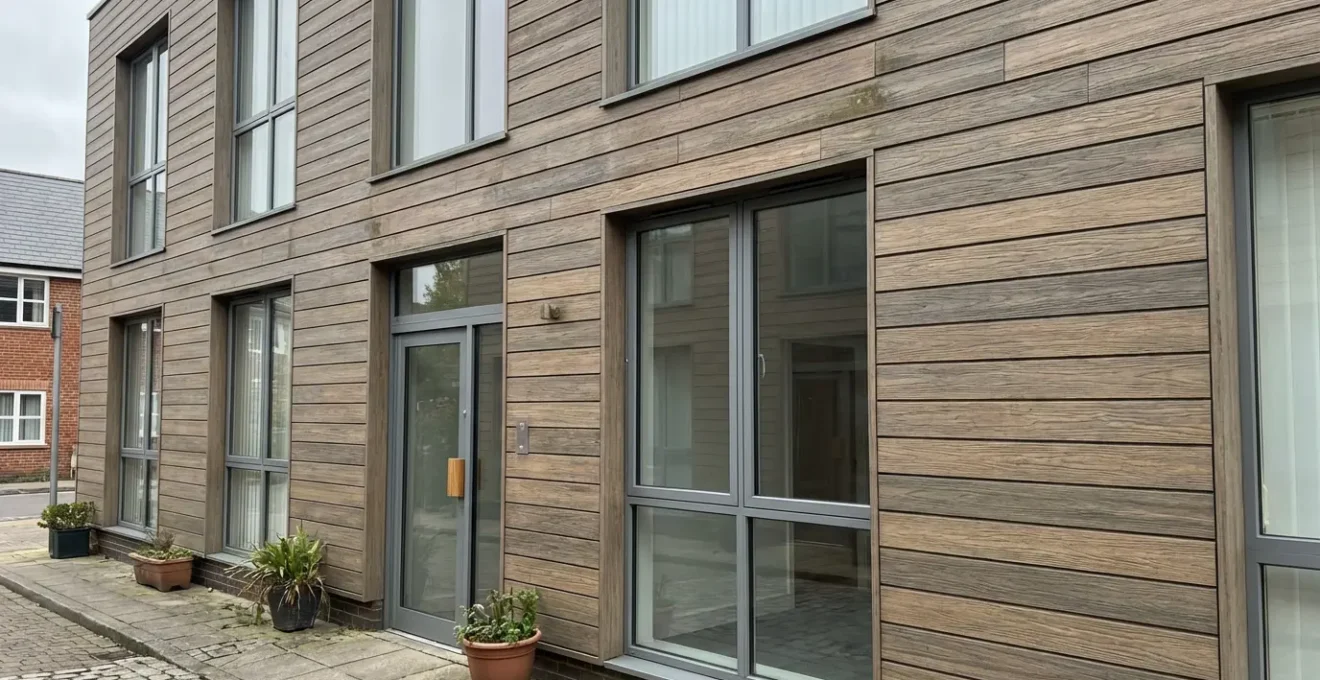
Premium products from manufacturers like those featured on this site now carry warranties extending beyond 20 years. Compare that to timber’s variable lifespan dependent entirely on maintenance compliance. The warranty difference alone justifies specification reviews for clients concerned about long-term performance.
Where WPC is not the right choice: Extreme high-temperature environments near industrial heat sources. Projects requiring exact colour matching to existing timber features. Situations where absolute lowest upfront cost overrides all other considerations. This list is not exhaustive—verify with your supplier for edge cases.
Fire compliance deserves attention. The latest guidance from the Building Safety Regulator (2025) confirms that untreated timber typically achieves only Euro Class D. WPC products achieving Class B are available, making them suitable for applications where untreated timber cannot comply. For buildings over 11 metres with residential use, cladding must achieve Class A1 or A2-s1,d0—a threshold that effectively rules out most timber and many composite options.
Your Questions About WPC Cladding Performance
How does WPC perform in coastal locations with salt exposure?
Premium WPC handles coastal exposure better than untreated timber, which degrades rapidly under salt spray. The Brighton project I mentioned earlier demonstrates this—three years of direct seafront exposure with no interventions required. Key factor: marine-grade fixings matter as much as the cladding material itself.
Can WPC cladding be painted or stained if colour preferences change?
Most WPC products are through-coloured, meaning paint adhesion is limited compared to timber. Some manufacturers offer specific coating systems, but the material is not designed for regular refinishing. Choose your colour carefully at specification stage—changing later is not straightforward.
What fire ratings can WPC cladding achieve for Building Regulations compliance?
Quality WPC products can achieve Class B under BS EN 13501-1, suitable for many residential applications under 11 metres. Buildings over 11m with residential use require Class A1 or A2-s1,d0—verify individual product certifications against your specific project requirements before specifying.
How does WPC installation time compare to timber?
Installation follows similar principles to timber using standard carpentry tools. Experienced contractors typically find no significant time difference. The key is following manufacturer-specific fixing guidance—clip systems and batten spacing vary between products.
Is WPC cladding recyclable at end of life?
Quality WPC incorporates recycled wood fibres and recycled polymers. End-of-life recyclability varies by manufacturer—some operate take-back schemes, others recommend specialist composite recyclers. Check environmental credentials during specification if sustainability forms part of tender criteria.
For projects involving outdoor landscaping elements alongside cladding work, consider how material choices connect. The advantages of quality turf solutions follow similar principles—upfront investment in durable materials reduces long-term maintenance burdens.
The next step for your project: Rather than debating materials in abstract, pull the specifications for your next three cladding projects. Calculate the 15-year lifecycle cost including realistic maintenance assumptions. That exercise answers the timber versus WPC question faster than any comparison article can.